
DSxHE Webinar: Child health inequalities and the environment
This theme aims to promote health equity in families, children, and young people by supporting inclusive, collaborative, and data-driven approaches that consider the child within the context of their family and wider environment.
Share this page
Join us for an upcoming webinar on Child Health Inequalities and the Environment from the DSxHE Children & Families Theme.
This session sits within our Children & Families Theme, which is focused on placing the child in the wider context of their family and environment, bringing together people passionate about using data science to better understand and address maternal, familial, and child health inequities. Expect space for knowledge sharing, thoughtful discussion, and community-building that connects researchers, clinicians, policymakers, and experts by experience, and amplifies diverse voices across the health equity and data science landscape.
Chair: Dr Amal Rammah
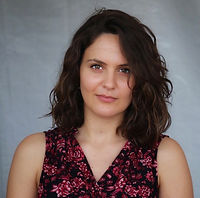
Bio: Amal’s research focus is on characterising structural and individual determinants of health and health inequalities among vulnerable populations in the built, physical and social environments (including air pollution, temperature, greenness and psychosocial stress), particularly in the areas of maternal and child health.
Speaker 1: Dr Rachael Cheung

Bio: Rachael is a child development researcher and quantitative epidemiologist at Born in Bradford. She leads research projects that examine the influence of COVID-19 and austerity on educational, mental, and physical child development (Co-Investigator, BiBBS ACHIEVE cohort), the health impacts of indoor air pollution and housing quality (INGENIOUS), and the effects of the urban environment or 鈥榚xposome鈥� on family health (Healthy Urban Places).听
Speaker 2: Dr Amy Mizen

Bio: Amy is a Senior Lecturer in Geospatial Health Data Science at Swansea University Medical School. Her research focuses on creating longitudinal environmental exposures and linking this data with individual-level health data at a population scale to produce data-driven evidence for policy and practice.听
Please direct any questions about the webinar series to info@datascienceforhealthequity.com.


